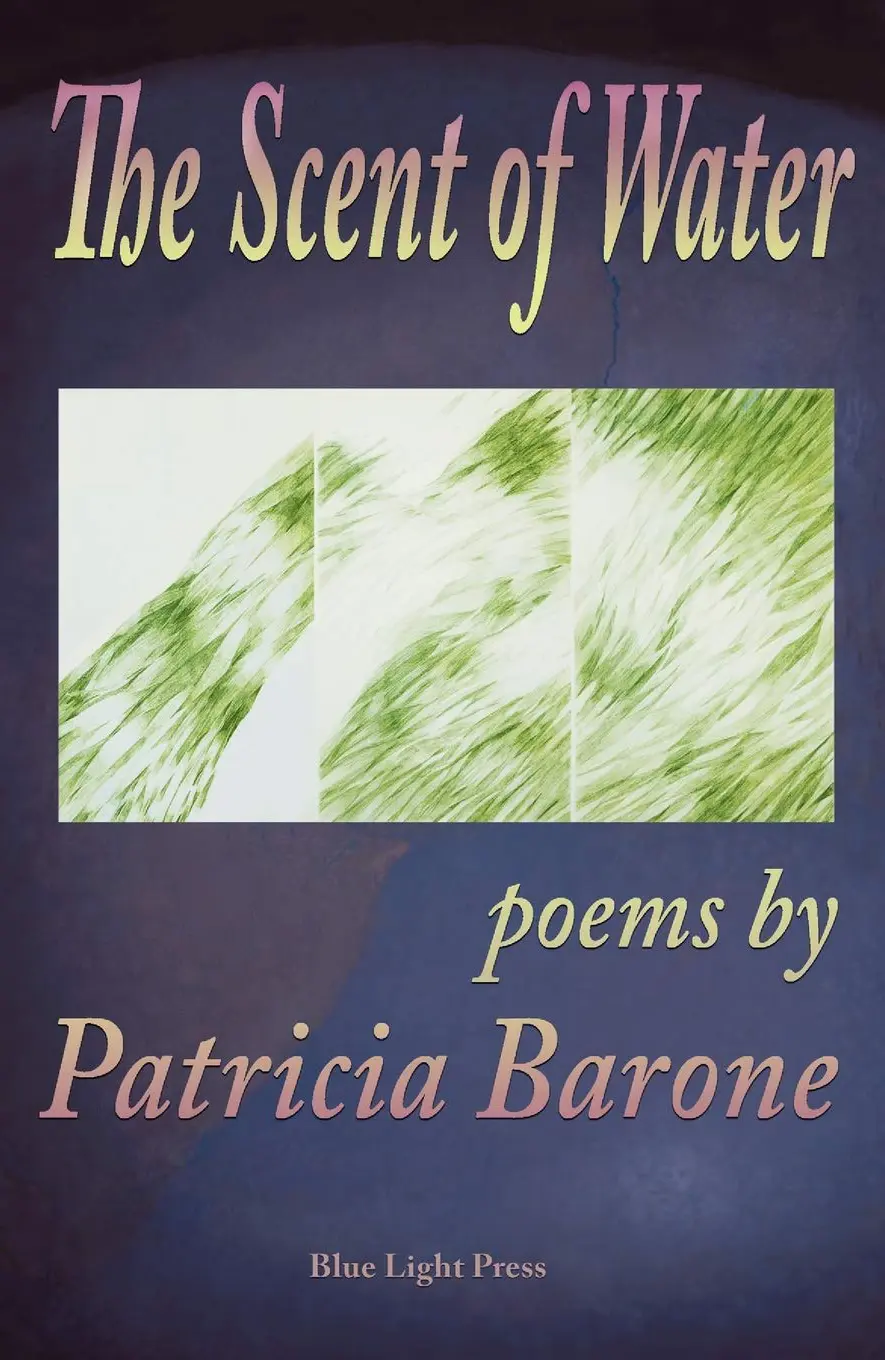
The Scent of Water
“Like the ‘one true horse’ in one of her poems, by forgetting the race she has found her own inimitable dance, and it is not to be missed.”
—Kay Cavanaugh Barnes, author of Mortal Means
Praise
“The Scent of Water has the memorable imagery, engaging perceptions, and heightened language we have a right to expect in genuine poetry. But it offers something else, something frequently missing in contemporary American poetry, even though that something is what most readers still desire: a personal voice speaking meaningfully about real life. Barone has been writing notable poems for thirty-five years, long enough to slalom over the waves of both confessional and language school poetry. Like the ‘one true horse’ in one of her poems, by forgetting the race she has found her own inimitable dance, and it is not to be missed.”
—Kay Cavanaugh Barnes, author of Mortal Means
“There are poems in this book I adore, the others I simply love. Imagine a woman on a path stopping to examine something she’s found, and you discover in her description a new world. Barone makes this happen by using exact language and music in precisely right images and quirky insights: ‘Nature is a maniac for sperm.’ ‘I hate the tyranny of windows.’ Her world is family, home, garden and the river; like Brueghel in his art, she’s made scenes of their appearance on earth into a record of time.”
—Sharon Chmielarz, author of Calling
“In The Scent of Water Patricia Barone has united poems of the personal with poems that engage the larger world and its chaos. ‘We’re sinking through the river silt to bedrock,’ the poet writes as she leads us deeply into nature and our own natures. With authentic insight, she describes what is at the border between the visual and the visionary, the ordinary and the ineffable, and gaining and losing. Her language pulses with the exhilaration of being alive. This is a book of water, especially the Mississippi and the lives it nourishes. ‘Water has endured…’ and mothers, fathers, children, dirt, seeds, leaves, geese, crickets all endure in a shared and threatened world. These poems, impeccable in craft, are swift, quiet arrows that pierce the reader as they recreate a life.”
—Mary Kay Rummel, author of What’s Left Is the Singing
“The New Agey cover of Patricia Barone’s second book of poetry doesn’t prepare the reader for Barone’s exuberant weirdness, dense vocabulary and seriously exciting work. In this book, readers will discover words such as diapause, albumin, friable and subfusc. Barone describes the ‘conchiolin arks of escargot’ and a ‘deasil wind.’ In her playful homages to William Blake, she adds footnotes to define particularly archaic words. Her poems are full of dirt, muck and slime. Her language — fecund and alive — matches her image of nature as ‘a maniac for sperm.’ She writes of ‘new leaves, slightly red and sticky’ and trees being ‘a smolder of yellow-green.’ She acknowledges ‘ripeness turns to rot’ and offers images of ‘squash with blossom-end rot’ and ‘tomatoes infected with tumors of smut.’ These poems evoke the landscape around the Mississippi River. The river is awe-inspiring and unpredictable. Its drought can send the clay receding ‘like unhealthy gums from teeth’ and its flood can cause rutabagas to bob ‘like buoys beneath our feet.’ Reading Barone’s poetry, one encounters greedily gathering words to create challenging and rich poetry featuring flowers and the mud they need to grow. It would be a shame if the cover prevents readers from discovering this heavyweight poet.”
—Elizabeth Hoover, Star Tribune (Minneapolis)